

Strategic Mall Circulation Planning for Commercial Performance
Mall circulation planning determines how customers move, explore, and interact with retail environments throughout their visit. Movement patterns directly influence visibility, dwell time, and retailer performance, shaping which areas attract consistent footfall and which struggle to remain active. Strong circulation design ensures balanced traffic across all zones rather than concentrating activity in limited areas, helping retailers benefit from natural customer movement instead of relying solely on destination pull.
RLPC advises developers and architects on circulation strategies that align spatial design with commercial outcomes, ensuring movement logic supports leasing performance, tenant visibility, and long-term asset value.
What Mall Circulation Planning Includes
1
Customer flow mapping
Customer flow mapping analyses how shoppers move through the mall to support effective mall circulation planning consultancy, ensuring movement patterns maximise exposure, dwell time, and balanced footfall across retail zones.
2
Anchor placement strategy
Anchor placement strategy defines the location of key anchors to drive circulation loops, strengthen retail circulation strategy, and pull customers through secondary corridors rather than concentrating traffic in limited areas.
3
Corridor visibility planning
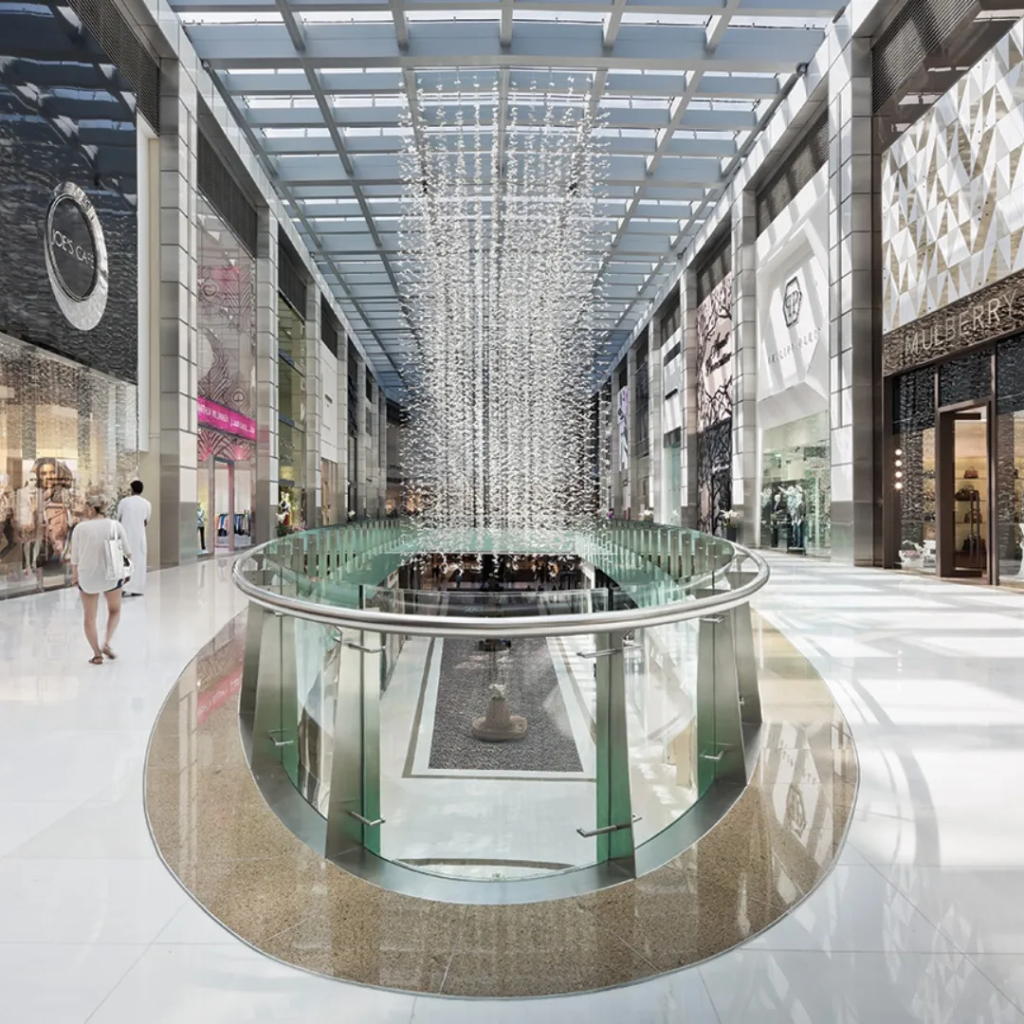
Corridor visibility planning improves sightlines and storefront exposure along primary and secondary paths, supporting mall circulation planning that enhances tenant visibility and leasing performance.
4
Vertical movement design
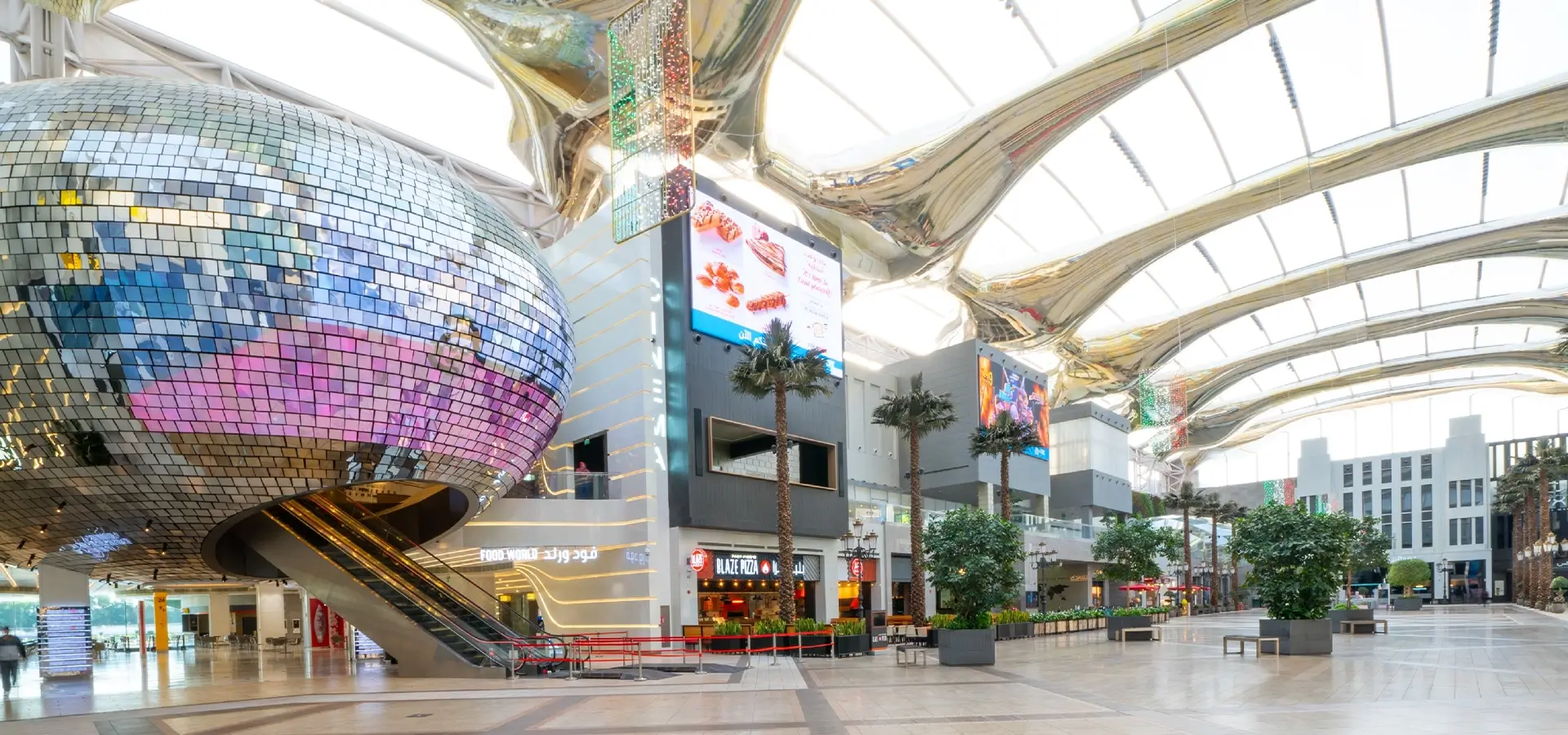
Vertical movement design focuses on the positioning of escalators, lifts, and stairs to encourage cross level circulation, reinforcing shopping mall circulation planning that distributes footfall evenly across floors.
5
Destination clustering
Destination clustering groups complementary retail, F&B, and leisure uses to create natural movement anchors, strengthening retail circulation strategy and increasing dwell time within key zones.
6
Dead zone prevention
Dead zone prevention identifies and resolves low traffic areas through circulation logic, visibility improvement, and tenant placement, supporting mall circulation planning consultancy that protects long term asset performance.
7
Escalator and lift positioning
Escalator and lift positioning is planned to guide intuitive movement and avoid bottlenecks, ensuring mall circulation planning aligns vertical transport with commercial visibility and flow.
8
Escalator and lift positioning
Escalator and lift positioning is planned to guide intuitive movement and avoid bottlenecks, ensuring mall circulation planning aligns vertical transport with commercial visibility and flow.
9
Sightline optimisation
Sightline optimisation ensures customers can visually connect with destinations and anchors from multiple points, reinforcing retail circulation strategy that improves navigation, discovery, and tenant performance.
Our Process
Research & Data Collection
We analyse market demand, demographics, competition, and retail performance to build a strong foundation for informed retail consultancy and feasibility decisions.
Gap/Opportunity Identification
We identify unmet retail demand, category gaps, and commercial opportunities that support sustainable retail positioning and long term asset performance.
Visioning & Concept
We define the retail vision, positioning, and experience strategy aligned with consumer behavior, location context, and commercial objectives.
Financial & Spatial Correlation
Retail strategies are tested through financial feasibility and spatial planning to ensure design efficiency, leasing potential, and operational viability.
Strategic & Advisory Report
We deliver clear advisory reports outlining retail mix, leasing strategy, phasing guidance, and actionable recommendations for confident decision making.
Continuous Advisory & Refinement
Our retail consultants remain engaged throughout design and execution, refining strategies as market conditions and project inputs evolve.
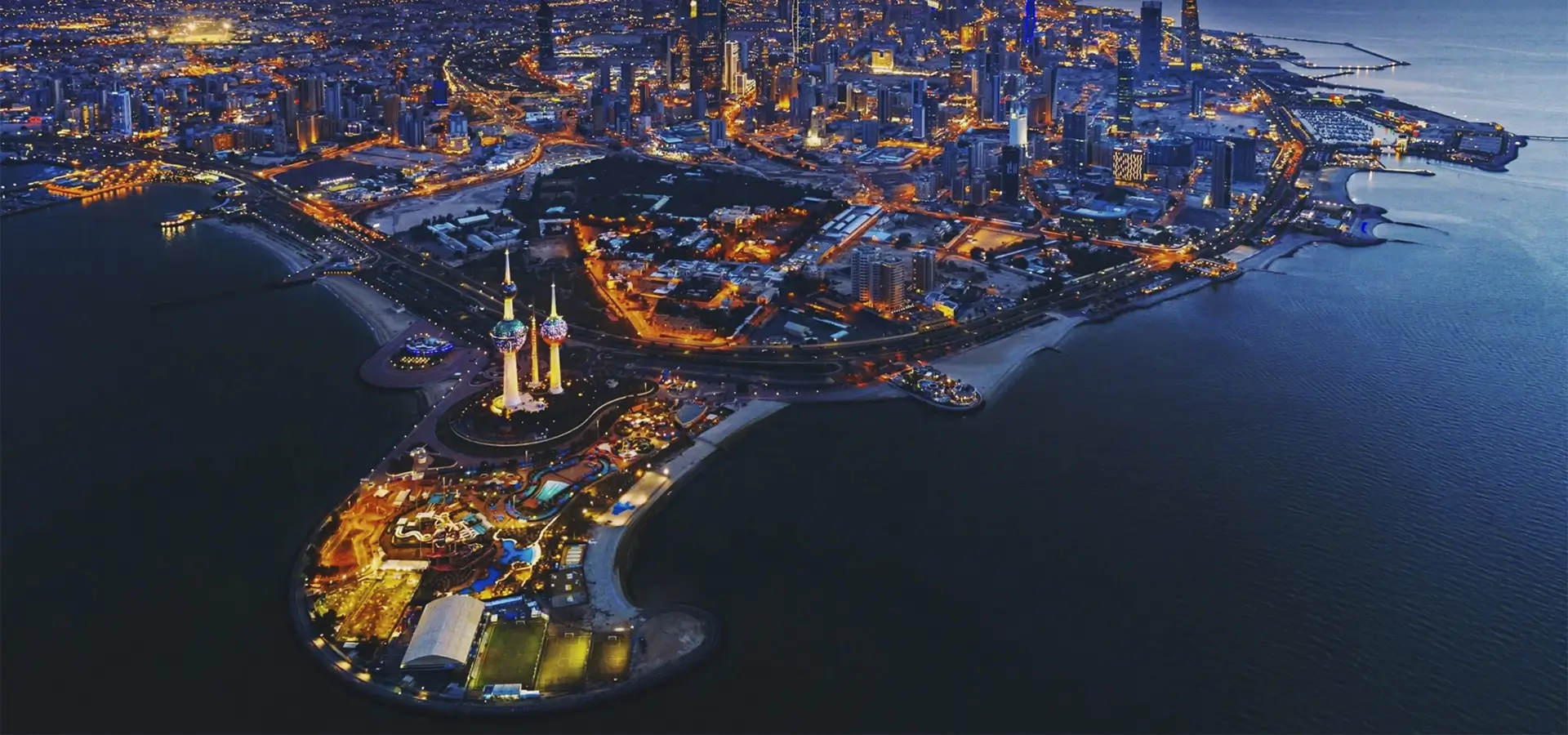
Why Choose RLPC as Your Retail Consultant in Kuwait
At RLPC, we provide end-to-end consulting services tailored to meet the unique needs of our diverse clientele.
Retail Expertise
RLPC brings proven expertise in retail consultancy services and mall consultancy services in Kuwait, supporting shopping malls and mixed use developments with commercially grounded advisory.
Local Market Insight
We offer in depth understanding of the Kuwait retail market, consumer behaviour, and development patterns to help retail projects align with real demand and performance potential.
Integrated Advisory Model
Our integrated approach covers retail strategy, feasibility studies, retail design advisory, leasing strategy, and operations to ensure alignment across every stage of the retail lifecycle.
Regional and Global Experience
With experience across Kuwait, the GCC, and international markets, we apply global retail best practices adapted to local regulatory and commercial environments.
Long Term Value Focus
With experience across Kuwait, the GCC, and international markets, we apply global retail best practices adapted to local regulatory and commercial environments.
Preventing Dead Zones in Retail Environments
Dead zones reduce leasing value and weaken tenant performance by limiting natural footfall and restricting storefront visibility. Retailers located in these areas often struggle not because of product or brand strength, but because circulation patterns fail to support exposure and impulse discovery. Dead zones commonly emerge when primary anchors are not properly connected through continuous movement loops, when secondary corridors lack purpose, or when poor sightlines subtly signal that an area has no further destination. Over time, these weak pockets can affect perception, creating uneven energy across the mall.
Early advisory identifies circulation risks before construction begins, allowing design teams to correct structural weaknesses at planning stage rather than reacting after opening. By reviewing anchor alignment, vertical connections, corridor hierarchy, and visual continuity, circulation strategy can be refined without disruptive or costly redesign, protecting both long term leasing value and commercial performance.
Collaboration with Architects & Development Teams
Architects shape spatial form, material expression, and experiential identity, while consultants guide commercial movement logic, ensuring that customer circulation aligns with leasing value and retail performance objectives. Circulation planning works best when both disciplines operate together from the concept stage, allowing spatial ambition and commercial strategy to evolve in parallel rather than in conflict. When movement patterns are embedded early, design decisions support footfall distribution, anchor connectivity, and balanced traffic flow across all zones.
RLPC collaborates with design teams to integrate circulation strategy seamlessly into the architectural concept without limiting creativity or compromising vision. Through early stage workshops, movement simulations, and commercial zoning alignment, circulation planning enhances architectural clarity while strengthening tenant performance and long term asset value.
Circulation Planning for Mixed-Use & Large-Scale Assets
Retail integrated into mixed use developments requires additional coordination across multiple user groups and movement patterns. Circulation must connect residential, office, hospitality, and transport flows in a clear and intuitive manner without disrupting retail performance or creating conflicting paths. Poorly coordinated movement can dilute footfall or divert activity away from retail frontages.
Structured planning ensures retail benefits from surrounding activity rather than competing with it, allowing daily routines, peak hours, and transitional movement to support consistent retail exposure and long term commercial stability.
Book a Mall Circulation Planning Consultation
RLPC supports developers and asset owners with specialized mall circulation planning consultation that aligns customer movement, anchor positioning, and visibility logic with long-term commercial performance.
Our advisory integrates circulation strategy with tenant mix, layout planning, and leasing objectives to ensure balanced footfall distribution and stronger retail outcomes across all zones.
Frequently Asked Questions
Mall circulation planning guides how customers move through retail environments to improve visibility and performance.
Dead zones occur when circulation paths fail to connect key destinations and anchors.
Yes. Balanced movement improves exposure and dwell time.
During concept and feasibility stages before design is finalised.
Yes. Integrated developments require coordinated movement strategy.