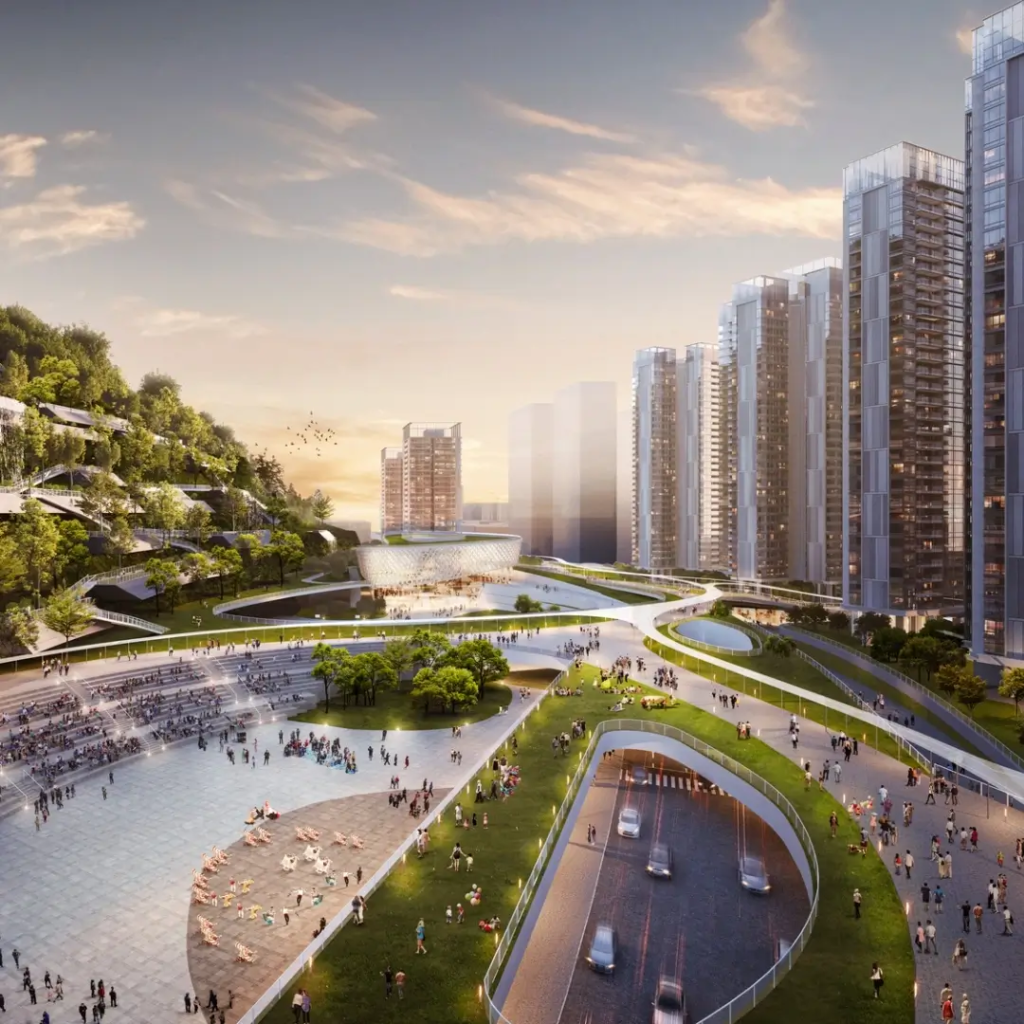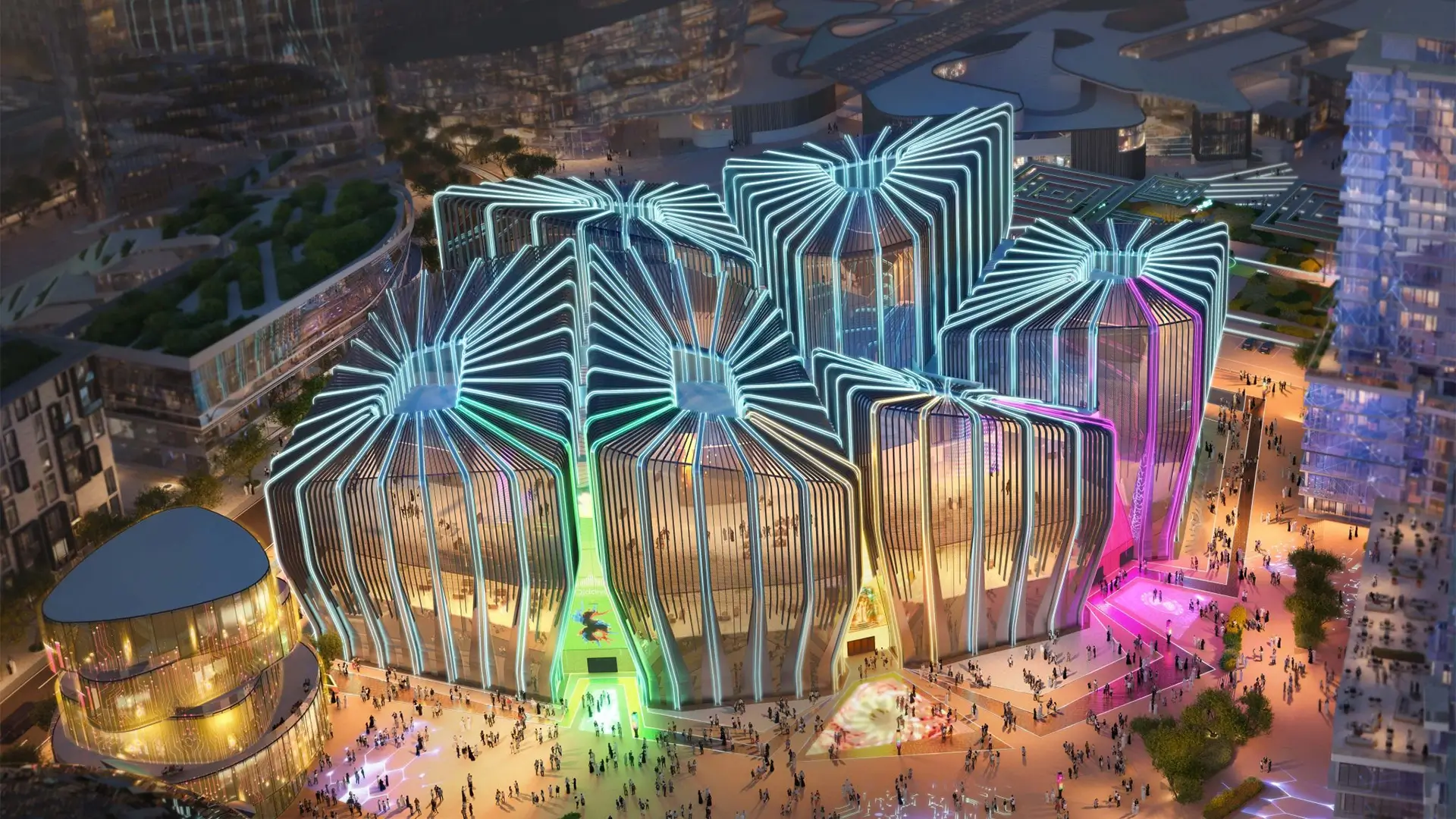

Transit stations operate within urban infrastructure systems that include pedestrian networks, bus terminals, interchanges, park & ride facilities, and surrounding mixed-use districts. Transit retail planning must respond to layered passenger flow, multiple entry points, and time-sensitive commuter behavior rather than isolated floor area metrics.
An effective transit retail strategy aligns commercial placement with real movement patterns, ensuring retail supports mobility, convenience, and seamless interchange between transport modes. When integrated correctly, retail within transport infrastructure improves dwell time conversion, enhances passenger experience, and strengthens overall network vitality without disrupting operational efficiency or safety requirements.