

Retail Architecture & Planning Advisory
Retail architecture is not only about physical design or visual expression. Successful retail environments are shaped by commercial logic, circulation strategy, and tenant planning that begin well before drawings are finalised or layouts are fixed. Decisions around movement, visibility, anchor positioning, and adjacency often have a greater impact on performance than finishes or form alone, directly influencing footfall distribution and tenant success.
RLPC works alongside architects and developers to ensure that design decisions support long term retail performance, not just visual appeal. By aligning circulation, leasing logic, and commercial objectives early in the design process, retail environments are created to function efficiently, remain adaptable over time, and deliver sustained value for both operators and investors.
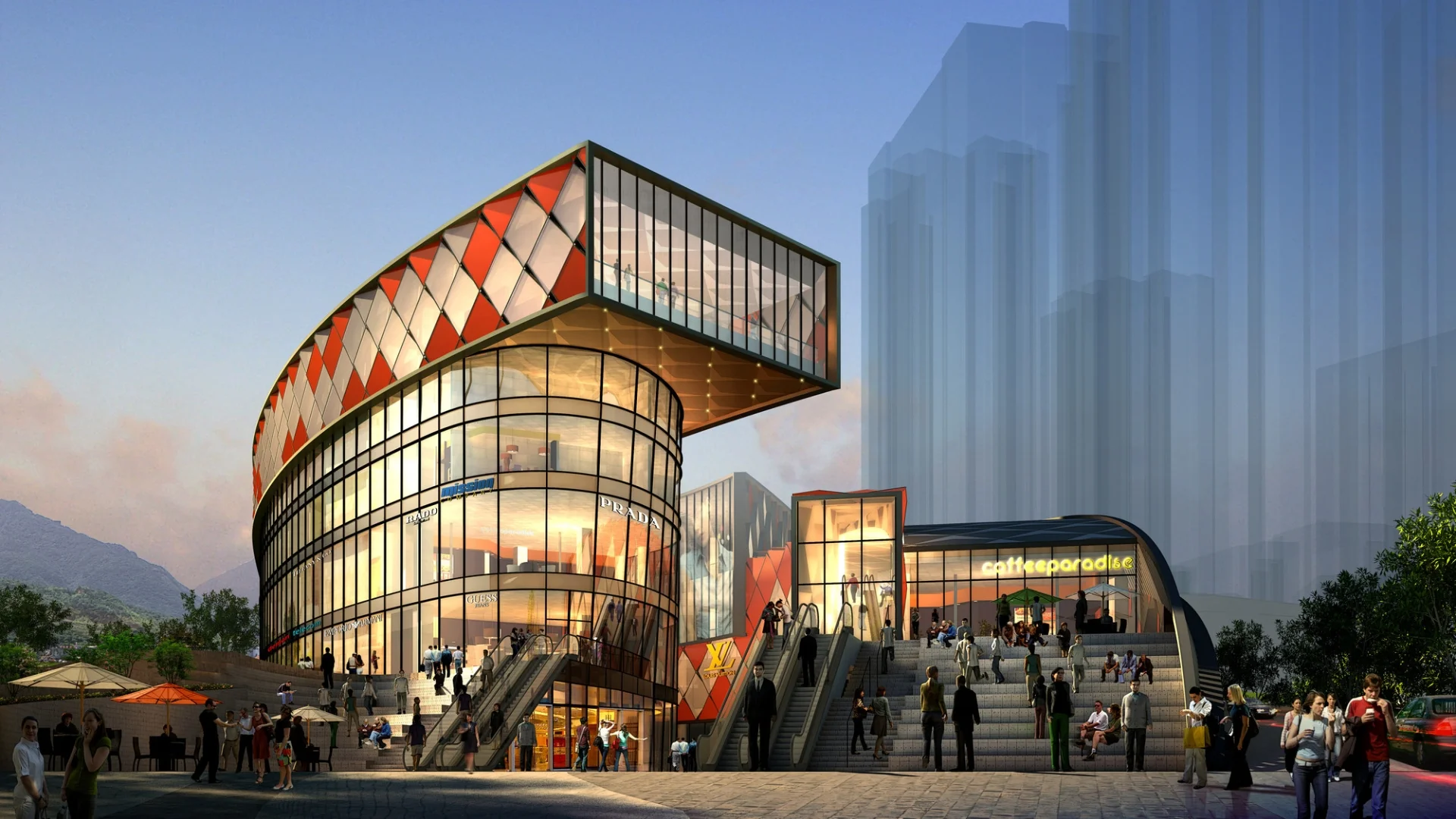
What Retail Architecture & Planning Advisory Includes
1
Retail master planning
Retail master planning defines the overall spatial and commercial framework of a retail asset, ensuring layout, zoning, and circulation support leasing strategy, footfall distribution, and long term performance from the earliest planning stages.
2
Mall circulation strategy
Mall circulation strategy focuses on how customers move through the asset, connecting anchors, vertical links, and destinations to create continuous movement loops that maximise visibility, dwell time, and retail exposure.
3
Tenant mix alignment with layout
Tenant mix alignment with layout ensures that retail categories, formats, and brands are positioned according to movement patterns and adjacencies, allowing the physical plan to actively support tenant performance rather than constrain it.
4
Anchor placement logic
Anchor placement logic determines where major anchors should be located to pull customers through the scheme, activate secondary corridors, and support balanced footfall across all trading zones.
5
Mixed use retail integration
Mixed use retail integration aligns retail circulation with residential, office, hospitality, and transport flows, ensuring retail benefits from surrounding activity without disruption or competition between user groups.
6
F&B zoning strategy
F&B zoning strategy identifies the optimal placement of food and beverage uses based on dwell time, day part behaviour, visibility, and operational needs, strengthening customer experience and commercial returns.
7
Customer movement planning
Customer movement planning analyses how shoppers enter, navigate, pause, and exit the environment, allowing layouts to encourage exploration, intuitive navigation, and consistent exposure to retail frontages.
8
Visibility and sightline analysis
Visibility and sightline analysis assesses what customers can see from key decision points, ensuring storefronts, anchors, and destinations remain visually connected and easy to discover throughout the retail environment.
Our Process
Research & Data Collection
We analyse market demand, demographics, competition, and retail performance to build a strong foundation for informed retail consultancy and feasibility decisions.
Gap/Opportunity Identification
We identify unmet retail demand, category gaps, and commercial opportunities that support sustainable retail positioning and long term asset performance.
Visioning & Concept
We define the retail vision, positioning, and experience strategy aligned with consumer behavior, location context, and commercial objectives.
Financial & Spatial Correlation
Retail strategies are tested through financial feasibility and spatial planning to ensure design efficiency, leasing potential, and operational viability.
Strategic & Advisory Report
We deliver clear advisory reports outlining retail mix, leasing strategy, phasing guidance, and actionable recommendations for confident decision making.
Continuous Advisory & Refinement
Our retail consultants remain engaged throughout design and execution, refining strategies as market conditions and project inputs evolve.
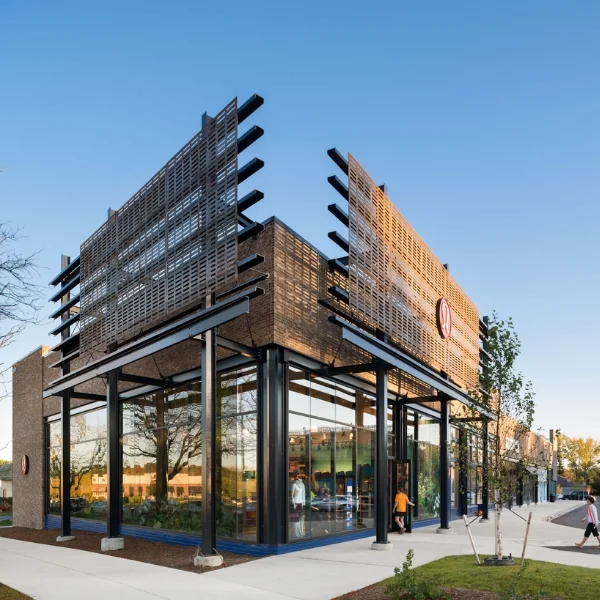
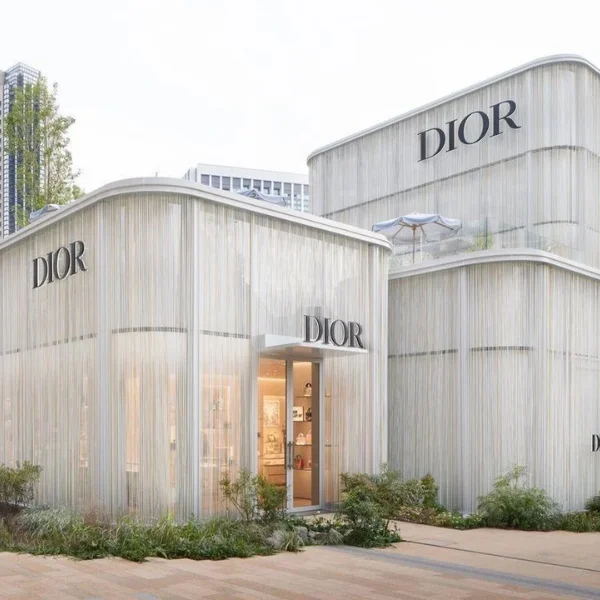
Why Early Advisory Protects Asset Value
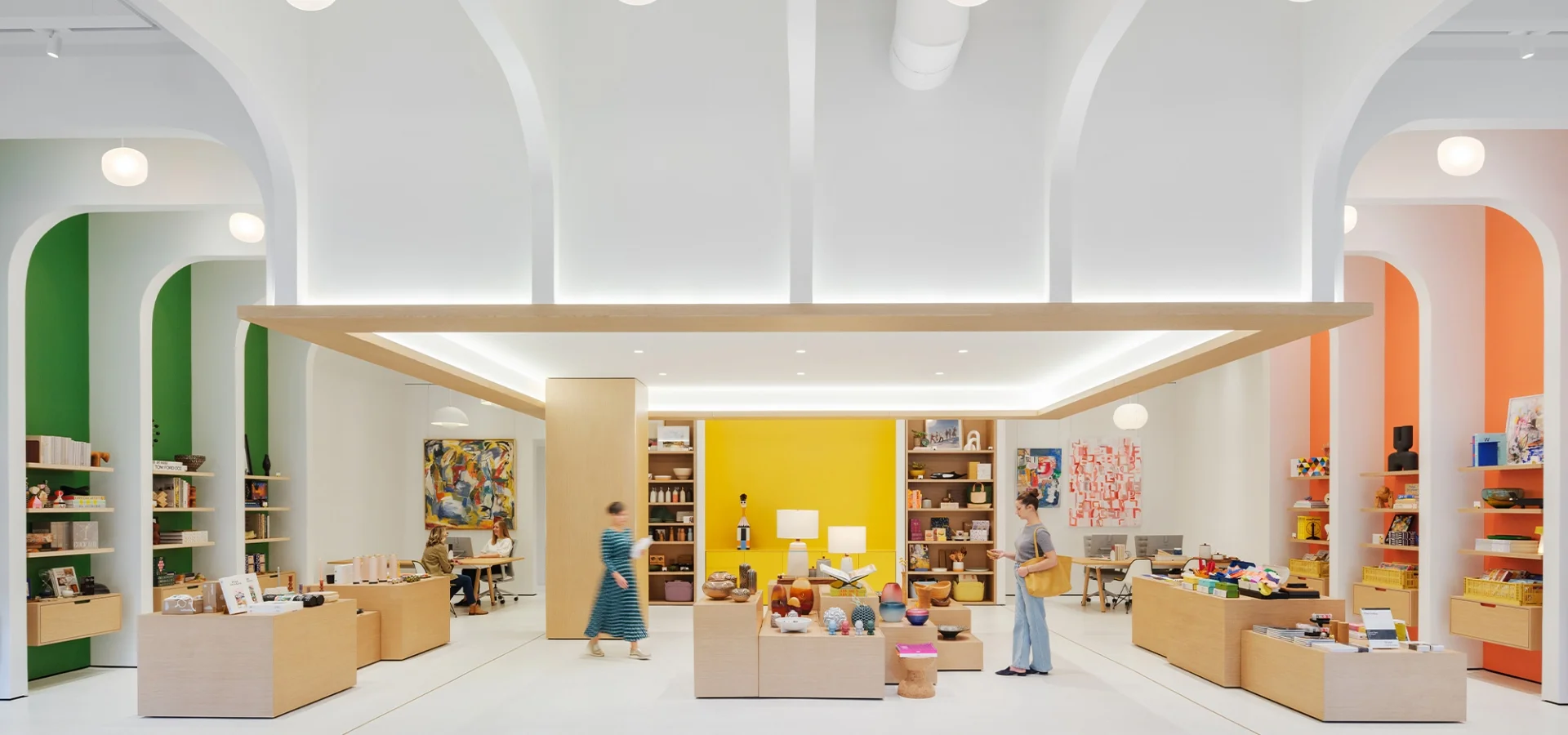
Planning decisions made at the concept stage shape long term commercial performance and operational efficiency. Early integration of commercial logic ensures movement, tenancy, and adaptability are addressed proactively rather than corrected later.
Circulation efficiency
Early circulation planning ensures customer movement is intuitive and continuous, reducing congestion, improving wayfinding clarity, and supporting balanced footfall across all retail zones.
Tenant performance
Tenant performance is directly affected by placement, visibility, and adjacency decisions made early, allowing retailers to benefit from natural footfall rather than relying on corrective measures after opening.
Leasing flexibility
Leasing flexibility is protected when unit sizes, configurations, and access points are planned strategically, enabling assets to adapt to changing tenant demands and market conditions over time.
Long term revenue stability
Long term revenue stability is strengthened when circulation, tenant mix, and zoning decisions support consistent trading performance rather than short term fixes or reactive interventions.
Operational flow
Operational flow improves when customer movement, servicing routes, back of house access, and vertical circulation are considered together, reducing friction between retail operations and daily asset management.
Collaboration with Architects and Design Teams
Architects lead spatial and experiential design, shaping form, identity, and the overall character of the built environment. Retail consultants guide performance strategy, focusing on circulation logic, tenant alignment, and commercial viability. When both disciplines work together early, the result is a retail asset that balances experience, leasing strength, and long term viability, rather than addressing performance challenges after design decisions are already fixed.
RLPC collaborates with architecture firms to provide advisory input without disrupting design intent or creative direction. By integrating commercial logic, movement strategy, and leasing considerations at concept stage, RLPC supports design teams in creating retail environments that perform sustainably while preserving architectural clarity and vision.
Retail Planning for Mixed-Use Developments
Modern projects integrate retail with residential, office, hospitality, and transport infrastructure, creating complex environments with multiple user groups and overlapping movement patterns. Retail planning must adapt to these environments by responding to varied peak times, access points, and circulation demands without diluting retail visibility or performance.
RLPC advises on how retail components enhance the overall ecosystem while maintaining commercial sustainability. By aligning retail circulation, tenant mix, and zoning with surrounding uses, retail becomes a supporting layer that benefits from adjacent activity while protecting long term trading strength and asset value.
Serving Architecture and Development Teams Across GCC
Serving architecture and development teams across the GCC, RLPC supports retail architecture projects throughout the United Arab Emirates, Saudi Arabia, Qatar, Oman, Kuwait, and Bahrain. Each market presents distinct regulatory environments, consumer behaviours, and development contexts that influence how retail architecture must perform.
RLPC provides consistent advisory expertise across regional markets, applying proven retail planning principles while adapting strategies to local conditions. This ensures retail environments remain commercially viable, operationally efficient, and aligned with long term development objectives across the region.
Book a Retail Architecture Consultation
Planning a new retail development or mixed-use project?
RLPC works with architects and developers to align design with commercial strategy from the earliest stages.
Contact our advisory team to discuss your project.
Frequently Asked Questions
Retail architecture advisory aligns design decisions with commercial performance to improve asset viability, ensuring circulation, visibility, and tenant planning support long term retail success from the earliest stages.
Architects benefit from retail consultants when commercial planning must support design intent and leasing success, helping translate spatial concepts into layouts that perform effectively once operational.
Ideally during concept and feasibility stages before layout is fixed, allowing movement logic, zoning, and commercial strategy to influence core design decisions.
No. It ensures design choices support long term performance while preserving architectural vision, flexibility, and creative intent.
Yes. Retail advisory is essential when retail integrates with other asset types, ensuring circulation and commercial logic work seamlessly within complex mixed use environments.