
Shopping malls are no longer mere commercial hubs; they are now cultural magnets, lifestyle centers, and growth drivers in cities globally. They are transforming urban life in Dubai to London, Nairobi to Mumbai, Riyadh to Singapore.
Developers today have a new challenge: malls need to evolve with changing consumer trends, e-commerce competition, and changing cultural expectations. This is where retail consulting companies and retail strategy consulting specialists come in. They assist developers, investors, and operators in creating malls that not only draw people in but also remain profitable and culturally resonant.
1. Malls as Contemporary Meeting Spaces
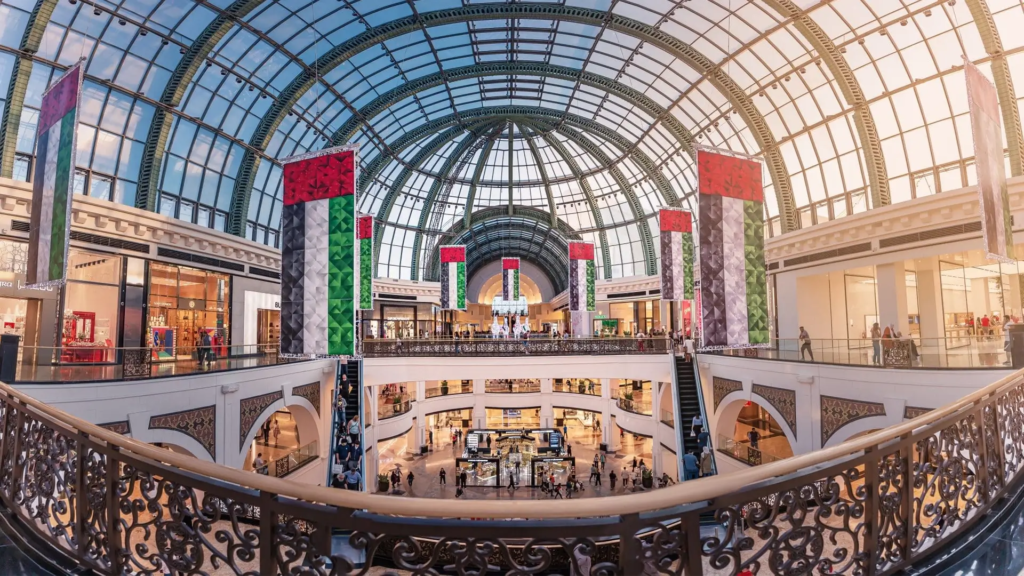
Prior to malls, individuals congregated in markets, souks, and city centers. Now, mall architecture has taken the place of these areas as the contemporary “city living room.”
- The Mall of the Emirates in Dubai is a weekend destination for families.
- Teenagers congregate at Two Rivers Mall in Nairobi.
- Boulevard Riyadh hosts festivals and events that attract families.
Such evolution indicates that malls are not just shopping centers anymore. They draw more extensive audiences and generate mall traffic by hosting cultural events, displays, and seasonal events.
2. Malls as City Identity Reflections
A mall tends to reflect the city it represents. Its tenant mix strategy, branding, and architecture reflect what local communities care most about.
- In Dubai Mall, high-end brands are neighbors to attractions such as the Aquarium, signifying the ambitions of the city.
- In new African and Asian cities, malls focus on supermarkets, electronics, and street fashion to mirror the aspirations of the emerging middle class.
- Malls in Istanbul reflect both Turkish designers and global brand names, merging tradition and advancement.
With retail strategy consulting, cultural context can be harmonized with international trends. It is this balance that makes malls both commercial and cultural landmarks.
3. Malls as Urban Growth and Daily Life Drivers
A successful mall has the potential to change not only a district but a whole city.
- Sandton City Johannesburg made its neighborhood a business center.
- Yas Mall Abu Dhabi became the hub of Yas Island, drawing tourists and businesses.
- Morocco Mall in Casablanca attracts locals and tourists alike, increasing the global popularity of the city.
Consulting guidance assists in responding to pragmatic questions like how to drive mall traffic, how to plan a shopping mall, and how to make mall architecture design facilitate long-term flexibility. Proper planning makes malls remain significant for decades while facilitating city development.
Closing Thoughts
From Dubai to Dakar, London to Lahore, Riyadh to Singapore, the shopping mall is evolving into something more than a commercial hub. It is a manifestation of cultural DNA, unites communities, and defines the future of cities.
Retail consulting is not simply about filling spaces. It is about ensuring that malls remain relevant to the communities they serve, while also becoming sustainable growth engines for urban development.
Yes. While online shopping is convenient, malls offer digital platforms can’t: community, culture, and experience. They are still crucial for entertainment, socializing, and city identity.
Retail consulting firms assist developers in tenant mix, design, leasing, and marketing. They ensure malls remain profitable, culturally impactful, and aligned with consumer trends.
Implement experiential Retail like cinemas, restaurants, and cultural activities. Curate a balanced tenant composition for luxury and everyday needs. Invest in mall branding and community outreach programs.
Mall design not only affects the shopping experience but also city development. Popular malls bring businesses, enhance infrastructure, and frequently create new real estate ventures in the neighboring regions.