

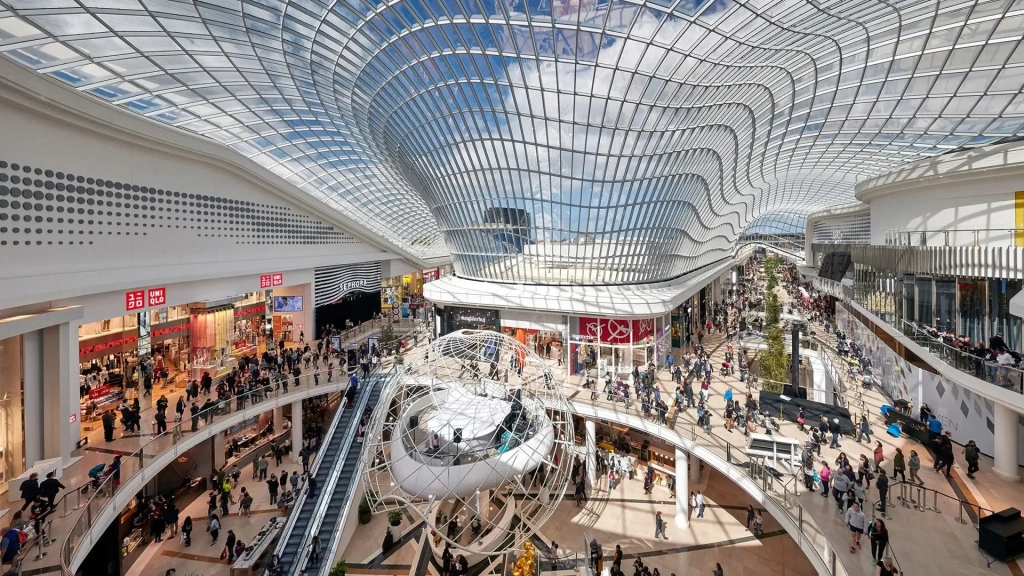
Why Tenant Mix Is More Than a Layout Exercise
Mall design is often approached as a spatial challenge, but tenant mix is primarily a commercial planning decision. The balance between anchors, F&B, entertainment, and specialty retail determines how customers navigate the environment and how long they remain inside.
When tenant planning happens after layout is finalised, compromises are almost unavoidable. Circulation weakens, category clustering suffers, and retailers compete instead of complementing each other.
Where Architects and Consultants Intersect
Architects focus on form, structure, and experience. Retail consultants focus on performance, demand, and long-term viability. Strong projects recognise that these disciplines are interdependent.
Tenant mix decisions influence corridor widths, sightlines, destination placement, and vertical movement. Collaboration ensures design decisions support commercial outcomes rather than working against them.
Data Behind Tenant Mix Planning
Professional tenant planning relies on measurable factors:
catchment demographics
spending behaviour
brand demand
competitive landscape
leasing forecasts
These inputs allow consultants to guide layout decisions using evidence rather than intuition.
Long-Term Impact on Mall Performance
Balanced tenant distribution supports stable footfall, leasing resilience, and predictable revenue. Poor mix planning creates underperforming zones that are difficult to correct after opening.
The most successful retail environments treat tenant strategy as a structural element of design, not an optional adjustment.
Closing Perspective
Tenant mix planning is a shared responsibility. When architects and consultants collaborate early, the result is a retail asset designed for both experience and performance
Frequently Asked Questions
Tenant mix planning determines how retail categories are distributed to optimise traffic and sales.
Yes. A weak mix leads to uneven traffic and lower retailer performance.
Retail consultants guide strategy while architects translate it into spatial design.
It should begin during early concept stages.
Adjustments are possible but costly once construction is complete.